
Think SPF 50 Lasts All Day? Here's Why Your Sunscreen May Stop Working Sooner Than You Think
TLDR
Sunscreen doesn't simply last two hours. How long it protects depends on how much you apply, whether you're swimming or sweating, the UV Index, altitude, and even rubbing against towels or clothing. Understanding these factors can help you better protect your little adventurers during every outdoor outing.
Introduction
One of the biggest misconceptions about sunscreen is that SPF acts like a countdown timer.
Many parents assume they can apply sunscreen once in the morning and be protected for the next several hours.
Unfortunately, that's not how sunscreen works.
SPF measures how well a sunscreen filters UVB rays when it's applied correctly, in the right amount and under laboratory conditions. In the real world, sunscreen is constantly being diluted, rubbed away, washed off, or broken down by the environment.
Understanding these factors can help you make better decisions about when to reapply.
SPF Isn't a Timer
SPF stands for Sun Protection Factor, but it doesn't tell you how many hours you're protected.
An SPF 50 sunscreen filters approximately 98% of UVB rays when applied at the recommended thickness.
The challenge? Most people apply only 25 to 50% of the amount used during laboratory testing.
That means the actual protection may be significantly lower than what's printed on the bottle.
How Much Sunscreen Are You Actually Applying?
The recommended amount surprises most parents.
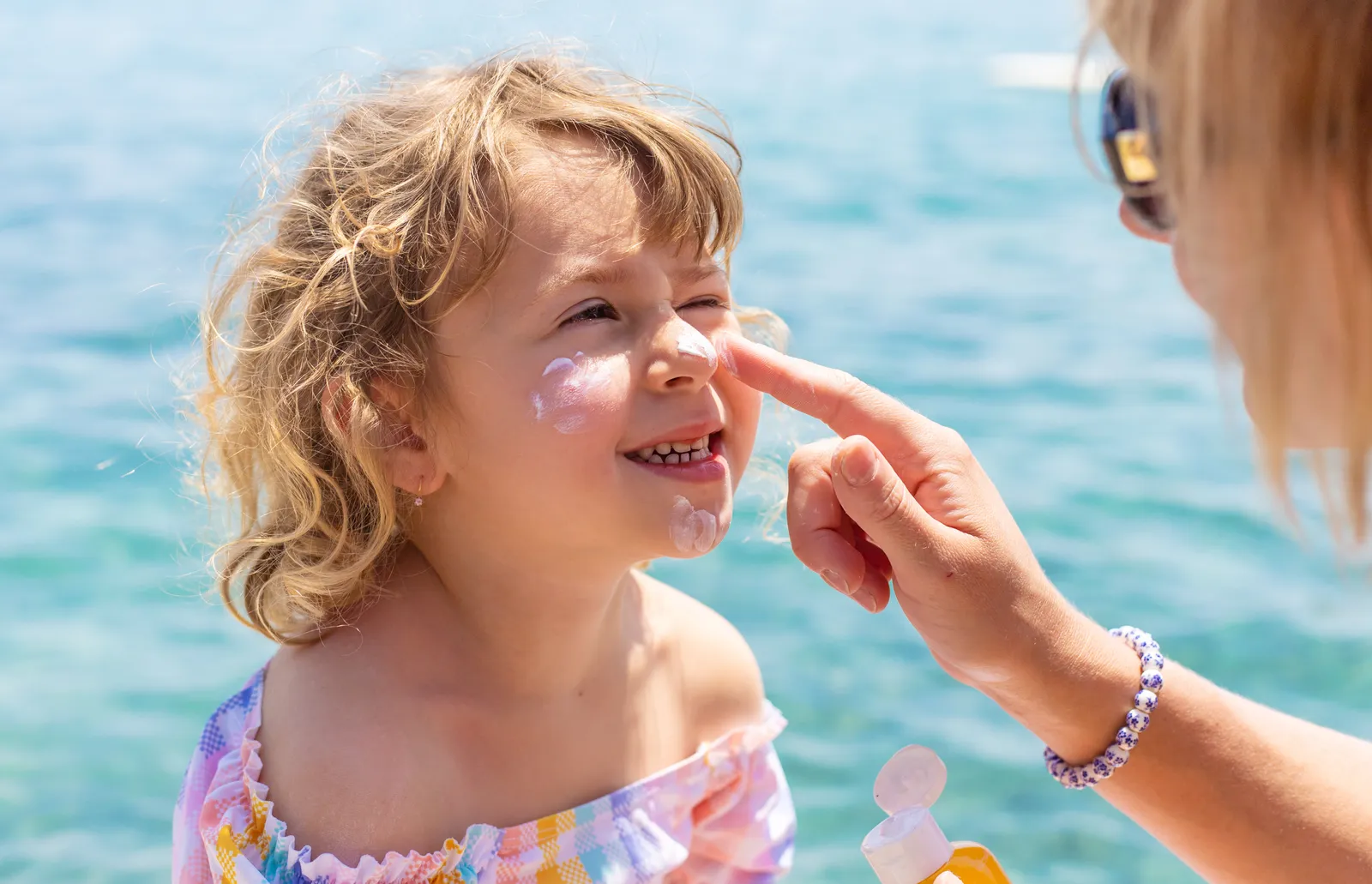
For children, experts recommend applying enough sunscreen to generously cover all exposed skin without rubbing it completely invisible.
Missing common areas like ears, the back of the neck, tops of feet, hands, and the hairline can leave skin vulnerable to sunburn. One missed spot is all it takes.
Water Changes Everything
Water-resistant doesn't mean waterproof.
Swimming, splash pads, sprinklers, and even running through the backyard can gradually remove sunscreen from the skin.
After swimming or towel drying, sunscreen should be reapplied, even if the bottle says it's water resistant for 40 or 80 minutes.
Children also tend to rub their eyes, wipe their faces, and roll around in towels, removing sunscreen faster than adults.
Sweat Counts Too
Even if your child never gets in the water, sweat slowly breaks down sunscreen. If they're sweating, it's time to think about reapplying, especially during:
- Hiking
- Bike rides
- Sporting events
- Summer festivals
- Playground adventures
Higher Altitude Means Stronger UV Rays
Heading to the mountains? UV exposure increases approximately 4 to 5% for every 1,000 feet (300 meters) of elevation gained.
That means a family hike at 8,000 feet can expose your skin to significantly stronger UV radiation than the same hike at sea level. Many parents don't realize they can burn faster, even on cooler days.
Clouds Don't Block UV
A cloudy day can feel cooler, but UV rays still reach your skin.
In fact, up to 80% of UV radiation can pass through clouds, making overcast days surprisingly risky for sunburn. Don't let cooler temperatures fool you.
Clothing Helps Sunscreen Last Longer
One of the easiest ways to reduce sunscreen stress is to simply have less skin exposed.
UPF-rated clothing provides consistent protection that doesn't wash off with sweat or require frequent reapplication. That means less sunscreen to apply, fewer missed spots, and fewer battles with squirmy toddlers.
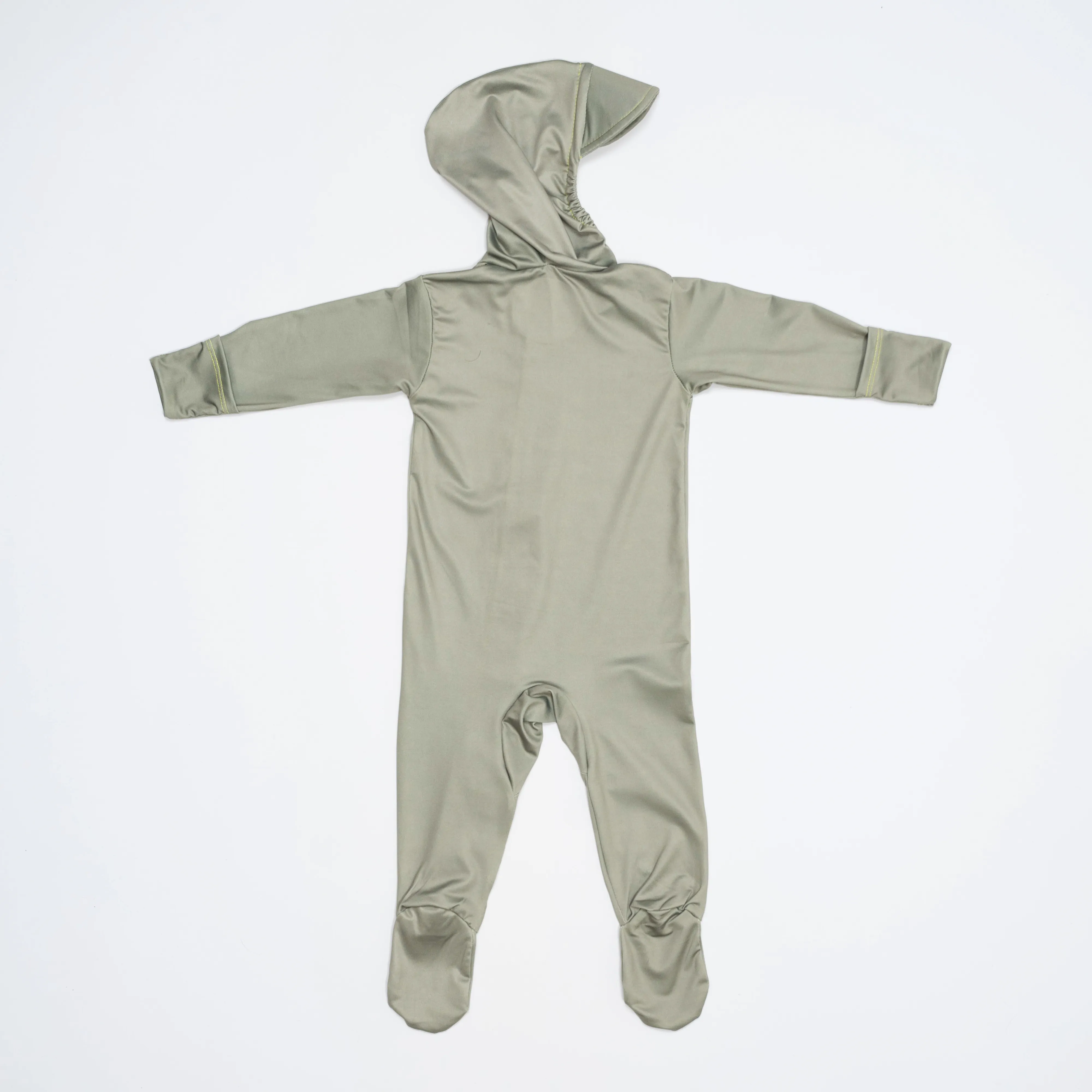
Products like TrailTog are designed to maximize coverage with features like an integrated hood and visor, built-in hand coverage, and, on infant sizes, integrated footies, helping reduce the amount of exposed skin parents need to protect with sunscreen.
Common Questions and Answers
Q: If my sunscreen says SPF 50, why do I still need to reapply?
Because sunscreen gradually wears away through sweat, water, friction, and normal movement. SPF measures protection when freshly and properly applied, not how long it stays on your skin.
Q: Does a higher SPF mean I can wait longer to reapply?
No. SPF 30, 50, and 70 should all be reapplied according to the label directions. A higher SPF offers greater UVB filtering, but it doesn't make the sunscreen last longer.
Q: Should I reapply more often at the beach?
Yes. Water, sand, towel drying, and higher UV exposure all increase the likelihood that sunscreen will wear off more quickly.
Q: Does altitude really make that much difference?
Absolutely. Whether you're camping, hiking, or spending the day at a mountain lake, UV intensity increases with elevation, even if the air feels cool.
Key Takeaways
- SPF measures protection, not time.
- Most people don't apply enough sunscreen.
- Swimming, sweating, and towel drying remove sunscreen faster.
- UV intensity increases with altitude.
- Clouds don't eliminate UV exposure.
- UPF clothing reduces the amount of exposed skin that requires sunscreen.
- Reapply sunscreen according to the product label and after swimming, sweating, or towel drying.
Call to Action
The best sun protection plan combines sunscreen with smart habits: seeking shade, wearing protective clothing, and remembering that no sunscreen lasts forever.
Whether your family is heading to the beach, hiking a mountain trail, spending the day on the lake, or enjoying a neighborhood walk, understanding how sunscreen really works helps keep every adventure safer.